

Indoor Air Quality Explained: What It Is and Why It Matters for Your Family
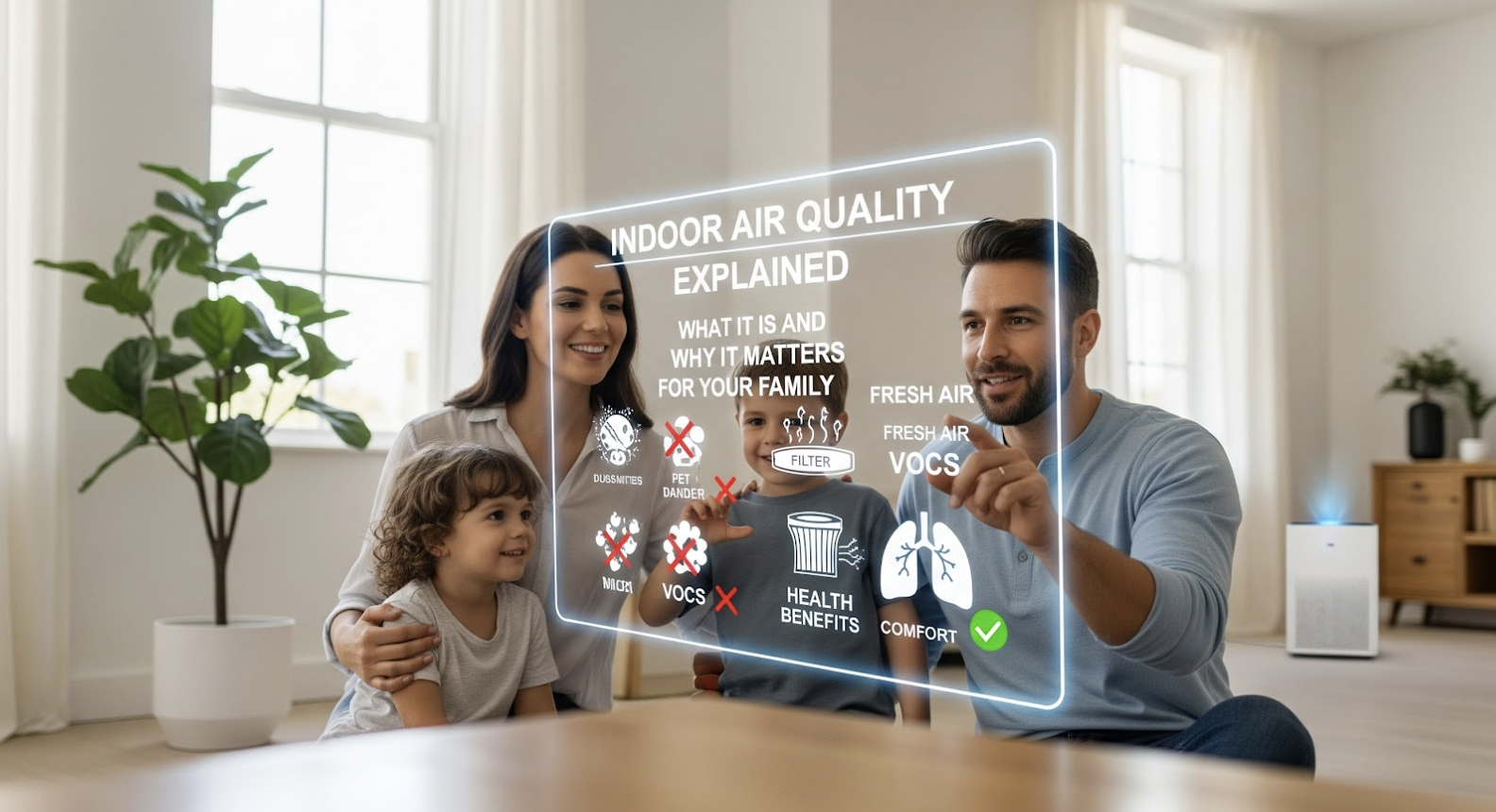
Did you know the air inside your home can be up to five times more polluted than the air outside? This startling reality is often overlooked, yet it plays a monumental role in our daily lives and long-term health. Imagine unknowingly inviting invisible threats into the very sanctuary where your family eats, sleeps, and plays. Understanding what’s in your air isn’t just a luxury; it’s a critical step towards safeguarding your loved ones.
Understanding the Invisible Threat: What is Indoor Air Quality?
We often think about environmental pollution in terms of outdoor smog or industrial emissions. However, the air within our homes, offices, and schools—where we spend up to 90% of our time—can harbor a complex cocktail of pollutants. This invisible menace is precisely what we refer to as Indoor Air Quality (IAQ).
Defining the Essence of Indoor Air Quality for Your Home
Indoor Air Quality, or IAQ, is a measure of how clean and healthy the air is inside a building. It encompasses the presence and concentration of various pollutants—gases, chemicals, and living organisms—that can affect human health and comfort. Good IAQ means the air is free from harmful contaminants, maintaining optimal temperature and humidity, and ensuring sufficient ventilation to bring in fresh air. Conversely, poor IAQ indicates an accumulation of pollutants with adverse effects on occupants.
For families, understanding IAQ is paramount. Your home is not just a structure; it's a living environment. The air you breathe directly influences your health, mood, and overall well-being. It's a fundamental aspect of creating a truly safe and comfortable environment, often overlooked until symptoms begin to surface.
The Alarming Truth: Why Indoor Air Quality is a Family Health Imperative
The impact of poor indoor air quality extends far beyond a stuffy room or a lingering smell. It penetrates deep into our health, affecting everything from our daily energy levels to the long-term vitality of our most vulnerable family members. Ignoring IAQ is akin to ignoring the foundation of your home; eventually, the cracks will show, and the consequences can be severe for your family health.
Safeguarding Your Loved Ones: The Direct Impact of Poor IAQ on Health
When the air we breathe indoors is laden with pollutants, our bodies bear the brunt, especially children, the elderly, and those with respiratory conditions. Common symptoms like headaches, dizziness, fatigue, and nasal congestion can escalate into more serious health concerns. Indoor allergens like dust mites, pet dander, and mold spores are significant triggers for allergies and asthma. Chemical pollutants, such as Volatile Organic Compounds (VOCs) from cleaning products, can irritate the eyes, nose, and throat, potentially leading to chronic issues.
Long-term exposure to certain indoor pollutants, like radon gas or carbon monoxide, poses even graver threats, including various cancers and acute poisoning. Symptoms can be mistaken for common ailments, delaying proper diagnosis. This is why a proactive approach to understanding and improving your home air quality is not just recommended but essential for every family's health.
From Productivity to Peace: How IAQ Affects Daily Life
Compromised IAQ profoundly influences our daily lives beyond physical ailments. Poor indoor air can disrupt sleep patterns, diminish concentration, and reduce overall productivity at home and in small businesses. At home, a family battling persistent symptoms due to polluted air experiences reduced quality of life. Children might struggle with school performance, and adults find it harder to concentrate on tasks. The comfort and sanctuary a home should provide are eroded when the air itself is a source of discomfort and illness.
For small business owners, the impact can directly affect the bottom line. Employees exposed to poor IAQ may experience increased sick days and reduced efficiency. A stuffy office environment can be unwelcoming to customers. Investing in good IAQ is a strategic decision that contributes to a healthier, happier, and more productive environment for everyone, enhancing small business air quality.
Common Culprits: Identifying Major Indoor Air Pollutants in Your Space
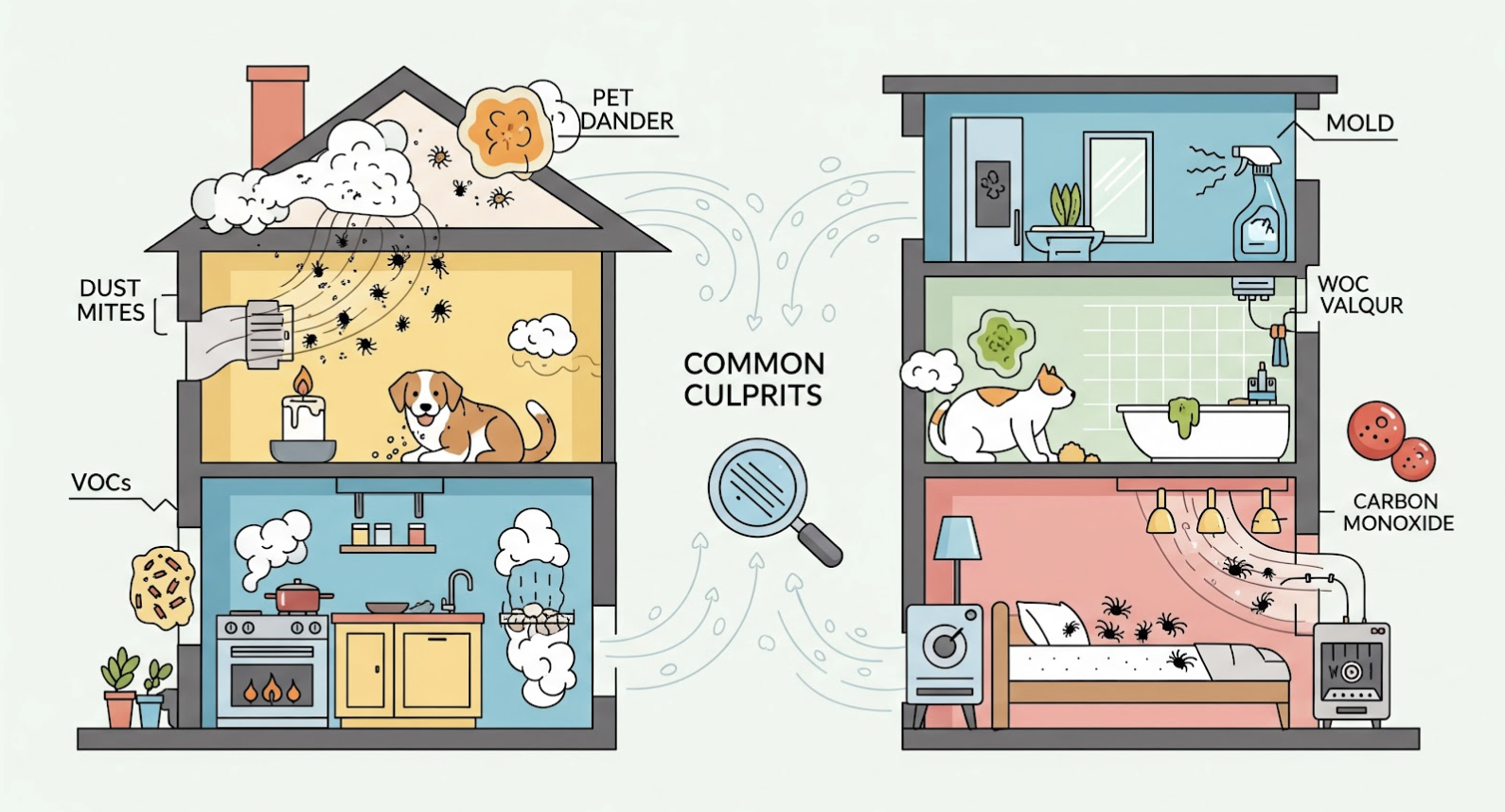
To effectively combat poor indoor air quality, we must first understand its origins. The sources of indoor pollution are diverse, ranging from microscopic particles to invisible gases. Many are generated by everyday activities and materials we bring into our homes and businesses, often without realizing their potential impact.
Unmasking Everyday Toxins: Chemical and Biological Pollutants
Our indoor environments are dynamic ecosystems. Let's delve into the most common types of pollutants that often go unnoticed:
Particulate Matter: Tiny solid particles or liquid droplets like dust, pet dander, pollen, and smoke. Inhaling fine particulate matter can penetrate deep into the lungs, leading to respiratory issues and exacerbating conditions like asthma.
Volatile Organic Compounds (VOCs): Gases emitted from certain solids or liquids such as paints, cleaning supplies, and new furnishings. Exposure can cause headaches, nausea, and irritation of the eyes, nose, and throat.
Biological Pollutants: Living organisms thriving in damp, warm environments, including mold, bacteria, viruses, and dust mites. Mold often grows in bathrooms and basements, releasing spores that trigger allergic reactions. Dust mites thrive in bedding and carpets, causing significant allergic responses.
Combustion Byproducts: Gases and particles from burning fuels like tobacco smoke, wood-burning stoves, or unvented gas heaters. These release pollutants like carbon monoxide and nitrogen dioxide.
Understanding the Silent Killers: Radon and Carbon Monoxide
While many pollutants present immediate symptoms, some are far more insidious, operating silently and posing severe, long-term health risks:
Radon: A naturally occurring radioactive gas from uranium breakdown in soil, rock, and water. It enters homes through foundation cracks. Radon is colorless, odorless, and tasteless, detectable only by specialized testing. It is the second leading cause of lung cancer, making radon testing crucial for every home, regardless of age or construction.
Carbon Monoxide (CO): Known as the "silent killer," this odorless, colorless, and tasteless gas is produced by incomplete combustion of fuels. Sources include furnaces, gas stoves, and water heaters if improperly vented. CO prevents oxygen transport in the blood. Symptoms mimic the flu, but prolonged exposure can lead to brain damage and death. Installing carbon monoxide detectors is a non-negotiable safety measure for any home or business.
Being aware of these common pollutants is the first step in addressing and mitigating their presence, paving the way for a healthier indoor environment.
Real-Life Impact: Stories of Families Transformed by Better Air
Theoretical knowledge about pollutants is vital, but seeing how improved indoor air quality directly benefits lives provides the most compelling evidence. These stories highlight the tangible difference a focus on IAQ can make for both families and small businesses.
A Child's Struggle: The Story of Sarah and Her Asthma
Sarah, a vibrant six-year-old, suffered from severe asthma, leading to frequent emergency room visits. Her parents, Maria and David, felt helpless despite medications and cleaning. Their cozy, older house with carpeting seemed problematic, but they couldn't identify why. After a bad flare-up, an HVAC technician friend suggested checking their indoor air quality. The assessment revealed high levels of dust mites, elevated mold spores in the basement, and significant VOCs from older paint in Sarah's room. Maria and David replaced carpets with hardwood, invested in a HEPA air purifier, remediated mold, and improved basement ventilation. They switched to low-VOC products. Within months, Sarah's asthma attacks decreased, she slept through the night, and her energy soared. Their home, once a source of suffering, became a true sanctuary, giving them peace of mind and significantly improving her quality of life.
A Small Business's Revelation: Boosting Employee Well-being and Productivity
Emma, owner of a graphic design studio with eight employees, noticed a troubling trend: increased headaches, fatigue, and low morale. The office felt stuffy, and sick days were frequent. An employee mentioned a stale smell, prompting Emma to investigate small business air quality. An expert assessment revealed inadequate ventilation, dirty HVAC filters, and high VOCs from new furniture and the printer area.
Emma upgraded the HVAC system, improved fresh air intake, and installed commercial-grade air purifiers. She switched to eco-friendly cleaning products and encouraged ventilation. Within weeks, employees reported fewer headaches and more energy. Sick days decreased, and productivity improved. Clients noticed the fresh, inviting atmosphere. Emma realized investing in IAQ was an investment in her team's health, happiness, and her business's success.
These stories underscore a powerful truth: better indoor air quality isn't an abstract concept. It's a fundamental element of a healthy, productive life, capable of bringing profound positive changes to families and businesses alike.
Taking Control: Practical Steps to Improve Your Home's Indoor Air Quality
Now that we understand the 'what' and 'why' of indoor air quality, the critical question is: what can you do about it? The good news is that many effective strategies for improving IAQ are straightforward and accessible. By implementing a combination of these actionable steps, you can significantly enhance the health of your indoor environment.
Ventilation Vitals: The Cornerstone of Fresh Indoor Air
Proper ventilation is the most fundamental aspect of good IAQ. It brings fresh outdoor air in and expels stale, polluted indoor air. Without adequate ventilation, pollutants can build up to unhealthy levels.
Open Windows and Doors Regularly: The simplest solution. Even a few minutes a day, especially when cooking or cleaning, makes a difference.
Use Exhaust Fans: Always use kitchen exhaust fans when cooking and bathroom fans after showering to remove fumes and moisture, venting outdoors.
Maintain Your HVAC System: Ensure your HVAC system is regularly serviced and change HVAC filters monthly or as recommended.
Filtration Frontiers: Choosing the Right Air Purification Systems
While ventilation brings in fresh air, air purifiers actively remove existing pollutants, offering extra protection, especially for those with allergies or asthma.
HEPA Filters: High-Efficiency Particulate Air (HEPA) filters capture 99.97% of particles like dust mites, pollen, and mold spores. Look for true HEPA air purifiers or high-MERV (11-13) HVAC filters.
Activated Carbon Filters: Excellent for absorbing odors and chemical pollutants like VOCs. Often combined with HEPA filters for comprehensive purification.
Avoid Ozone Generators: Choose purifiers that do not emit harmful ozone.
Source Control Strategies: Eliminating Pollutants at Their Origin
The most effective way to improve IAQ is to eliminate or reduce pollution sources.
Choose Low-VOC Products: Opt for paints, furniture, and cleaning supplies labeled "low VOC" or "no VOC" to reduce chemical off-gassing.
Manage Humidity: Keep indoor humidity between 30-50% to deter mold and dust mite growth. Use dehumidifiers in damp areas and fix leaks promptly.
Regular Cleaning: Frequent cleaning with a HEPA-filtered vacuum and damp dusting reduces dust and allergens. Wash bedding regularly.
No Smoking Indoors: Secondhand smoke is a major source of harmful pollutants; avoid it entirely inside your home.
Monitoring Mastery: Tools for Understanding Your Air
You can't manage what you don't measure. Air quality monitoring devices provide valuable insights.
Carbon Monoxide Detectors: Essential for every home, placed near sleeping areas and on every level.
Radon Test Kits: Affordable kits to determine elevated radon levels. Professional mitigation is recommended for high results.
IAQ Monitors: Track particulate matter, VOCs, carbon dioxide, temperature, and humidity, offering real-time data and alerts.
By implementing these practical steps, you move beyond passively accepting your indoor air to proactively creating a truly healthy home for your family or a productive space for your business.
Beyond the Basics: Advanced Insights for a Truly Healthy Home
While foundational steps are crucial, delving into more advanced strategies can yield even greater improvements in air quality and overall well-being. These insights involve a deeper understanding of your home's systems and their interaction with the air you breathe, optimizing for a truly healthy home environment.
Navigating HVAC Systems: Optimizing for Superior Air Quality
Your HVAC system is a primary driver of your indoor air circulation and filtration. Optimizing its performance for IAQ requires more nuance than just changing filters.
High-MERV Filters: Upgrade to MERV 11-13 filters for better capture of smaller particles, ensuring your system can handle the increased resistance.
UV Lights in Ducts: UV germicidal irradiation systems installed in ductwork can kill airborne viruses, bacteria, and mold spores, preventing their recirculation.
Regular Duct Cleaning: Professional duct cleaning removes accumulated dust, allergens, and mold, improving airflow and reducing pollutant recirculation, especially after renovations or water damage.
Professional System Maintenance: Annual maintenance fixes issues like leaky ducts and cleans coils, contributing to better air quality and system longevity.
The Role of Humidity: Striking the Right Balance for Health and Comfort
Humidity is a silent partner in your IAQ, critically important yet often overlooked. Both too much and too little humidity can lead to problems for your home air quality.
Managing High Humidity: Use dehumidifiers in damp areas and ensure proper ventilation in bathrooms and kitchens. Fix any water leaks promptly to prevent mold and dust mite growth.
Addressing Low Humidity: In dry climates or during winter, a humidifier can prevent dry nasal passages and skin conditions. Maintain optimal indoor humidity between 30-50% using a hygrometer.
By moving beyond basic understanding and implementing these advanced strategies, you can fine-tune your home's air quality, creating an environment that actively supports the health and comfort of your family year-round. This proactive and informed approach empowers you to truly take charge of your indoor atmosphere.
Frequently Asked Questions About Indoor Air Quality
1. What are the most common signs of poor indoor air quality?
Common signs often include persistent headaches, dizziness, fatigue, nausea, difficulty concentrating, and irritation of the eyes, nose, or throat. You might also notice increased allergy or asthma symptoms, a stale or musty odor, excessive dust, or visible mold growth. If symptoms subside when you leave the building but return upon re-entry, it's a strong indicator of an indoor air quality issue.
2. How often should I change my HVAC filters to improve air quality?
For standard HVAC filters, a general rule is every 1-3 months. If you have pets, allergy sufferers, or a busy household, changing them monthly is recommended. Higher-MERV filters may last longer, but always check manufacturer guidelines. Regular changes ensure your HVAC system runs efficiently and effectively removes airborne particles, contributing to better home air quality.
3. Are indoor plants effective for purifying indoor air?
While indoor plants offer aesthetic benefits, their effectiveness in significantly purifying indoor air, especially from harmful VOCs, is often overstated. You would need an impractically large number of plants to make a substantial impact on overall air quality in a typical home. They are a nice addition but should not be relied upon as a primary solution; proper ventilation and air purifiers are far more effective.
4. What is the difference between an air purifier and a humidifier/dehumidifier?
The key difference lies in their primary function. An air purifier removes contaminants like dust, pollen, pet dander, and odors from the air using filters (e.g., HEPA, activated carbon). A humidifier adds moisture to dry air, while a dehumidifier removes excess moisture from humid air. Both humidifiers and dehumidifiers manage humidity levels, which indirectly helps IAQ by preventing issues like dry airways or mold growth, but they don't actively filter out pollutants like an air purifier does.
5. Should I test my home for radon, and how do I do it?
Yes, absolutely. The EPA recommends that all homes be tested for radon, as it's an invisible, odorless, and tasteless gas that is the second leading cause of lung cancer. You can purchase affordable short-term (2-7 days) or long-term (90+ days) radon test kits online or at hardware stores. Place the device in the lowest livable area for the specified period, then mail it to a lab for analysis. If high levels are detected, professional radon mitigation is recommended for your healthy home.
Breathing Easier, Living Better: Your Journey to Superior Indoor Air Quality
The journey to understanding and improving Indoor Air Quality can feel overwhelming at first, but it is one of the most impactful investments you can make for your family health and your peace of mind. From the invisible pollutants silently impacting our well-being to the actionable steps we can take, the narrative is clear: clean air isn't a luxury; it's a fundamental right within our own homes and workspaces.
We've explored the silent threats of VOCs, mold, radon, and carbon monoxide, and seen how these seemingly minor issues can escalate into significant health challenges, affecting everything from a child's asthma to a business's productivity. But more importantly, we've armed ourselves with knowledge and practical solutions. Remember, creating a healthy home environment is an ongoing process, not a one-time fix. Your family's health, vitality, and happiness are worth every breath of clean air. Make the informed choice for a healthier tomorrow, starting right now, in your own space.