

10 Essential Preventative Maintenance Tips to Extend Your HVAC Lifespan
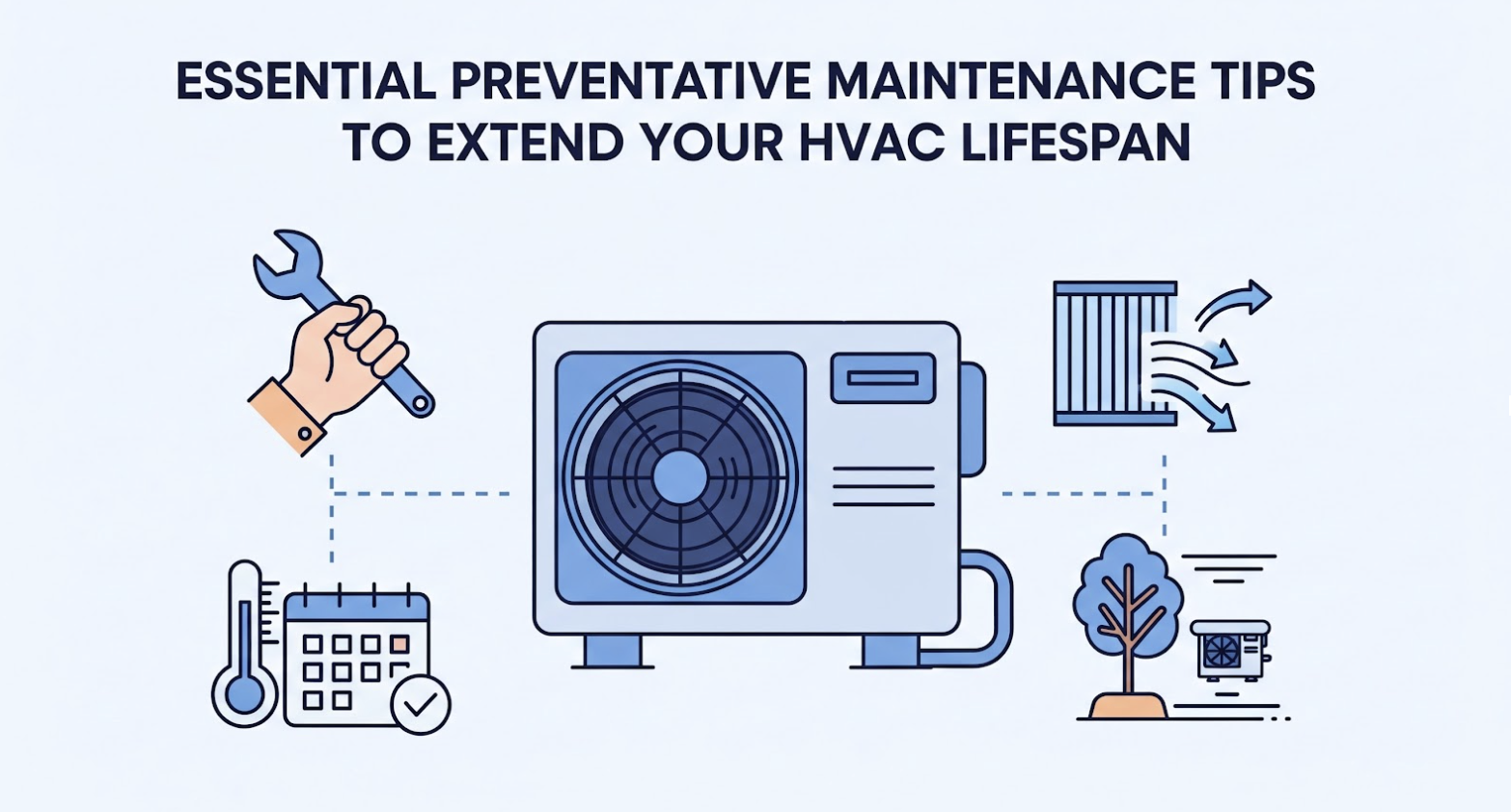
Imagine the sweltering heat of summer or the biting chill of winter, and suddenly, your home’s heating or cooling system grinds to a halt. What if there was a simple, proactive way to dramatically reduce the chances of such a costly, inconvenient breakdown? A neglected HVAC system can consume up to 30% more energy, silently draining your wallet every month. Your HVAC system is a critical investment, often overlooked until an expensive repair becomes unavoidable. Embrace preventative maintenance tips to safeguard your comfort and finances.
Understanding the Core of HVAC Preventative Maintenance: What It Is and Why It Matters So Much
At its heart, HVAC preventative maintenance involves routine, proactive steps to keep your heating, ventilation, and air conditioning system running smoothly and efficiently. Think of it as the regular check-ups your car needs to prevent a breakdown on a long road trip. It’s about preventing problems before they start, optimizing performance, and safeguarding your comfort.
This proactive approach is profoundly important for homeowners and small business owners. Investing a little effort now leads to significant savings later, can extend your HVAC system's lifespan by years, improve indoor air quality, and ensure comfort. Without consistent care, tiny issues escalate into catastrophic failures, leading to emergency repairs when you need climate control most.
Diving Deep into 10 Essential Preventative Maintenance Tips for Your HVAC System's Longevity
Taking a systematic approach to your HVAC care can truly make a world of difference. Here are 10 crucial tips that will help you maintain your HVAC system, ensuring its efficiency and extending its operational life.
1. Consistently Replacing Your Air Filters for Optimal Airflow and Efficiency
Your air filter is the first line of defense for your HVAC system, catching dust, pollen, and other airborne particles. A dirty filter restricts airflow, forcing your system to work harder, which increases energy consumption and puts undue stress on components. This extra strain is a major contributor to premature wear and can significantly reduce your HVAC unit's lifespan. For most homes, check the filter monthly and replace it every one to three months, especially with pets or allergies.
2. Ensuring Your Outdoor Unit is Kept Clean and Free from Debris
The outdoor unit (condenser) is constantly exposed to the elements. Leaves, grass clippings, and dirt can accumulate around the unit, blocking its coils and hindering its ability to dissipate heat effectively. When coils are obstructed, the system struggles to cool or heat, leading to decreased efficiency and increased energy bills. Regularly clear away vegetation, trim shrubs at least two feet away, and gently hose down the outside for surface dirt. Always turn off power at the breaker before cleaning for safety.
3. Cleaning the Evaporator and Condenser Coils for Peak Performance
Beyond surface debris, the delicate fins of both the outdoor condenser coils and indoor evaporator coils can become caked with grime. If these coils are dirty, they can't efficiently perform heat exchange, causing your system to run longer and work harder. This wastes energy and strains the compressor. While you can gently clean outdoor coils, the indoor evaporator coils are harder to access and generally require professional cleaning during your annual HVAC tune-up.
4. Inspecting and Clearing Your Condensate Drain Line to Prevent Water Damage
During the cooling process, your HVAC system removes humidity, creating condensation that drains through the condensate line. Over time, algae, mold, and sludge can clog this line. A clogged drain line can lead to water backing up into your home, potentially causing significant water damage, or trigger a safety switch that shuts down your system. Periodically pour a cup of distilled vinegar mixed with water down the line to inhibit growth.
5. Performing Regular Thermostat Checks and Optimizing Settings
Your thermostat is the brain of your HVAC system, dictating when it turns on and off. An inaccurate or malfunctioning thermostat can lead to inefficient operation. Check that it’s reading the temperature correctly and responding promptly. Consider upgrading to a programmable or smart thermostat. These devices allow you to set schedules and reduce energy consumption when you're away or asleep. Setting your thermostat a few degrees higher in summer and lower in winter can lead to significant energy savings, greatly contributing to HVAC energy efficiency.
6. Checking and Tightening Electrical Connections for Safety and Reliability
Electrical components within your HVAC system are essential. Over time, vibrations can loosen connections, leading to erratic performance, system failures, and safety hazards like electrical fires. Loose connections can also cause motors to draw more current, leading to overheating. While this is primarily a task for a certified HVAC technician during a professional preventative maintenance visit, it's crucial to understand its importance. Technicians inspect wiring and tighten connections, ensuring your system runs safely and reliably, thereby helping to extend HVAC service life.
7. Lubricating Moving Parts to Reduce Friction and Wear and Tear
Many HVAC systems contain motors with bearings that require periodic lubrication to operate smoothly. Without proper lubrication, friction increases, causing parts to wear down faster, consuming more energy, and generating excessive heat. This added stress can lead to premature component failure. While some modern units have sealed bearings, older models or certain components still benefit from it. This is another item best left to a professional during a routine HVAC inspection, as they know which parts need attention, contributing significantly to the longevity of HVAC equipment.
8. Inspecting and Sealing Your Ductwork for Maximum Energy Efficiency
Your ductwork is the pathway for conditioned air. If there are leaks or unsealed connections, 20% to 30% of heated or cooled air can escape into unconditioned spaces, equating to massive energy waste and higher utility bills. Look for visible gaps or tears in your ductwork, especially at joints. You can use HVAC-specific foil tape or mastic sealant to seal accessible leaks. Addressing duct leaks dramatically improves your system's efficiency, provides more even temperatures, and lightens the load on your HVAC unit, thus prolonging its functional life.
9. Verifying Correct Refrigerant Levels to Maintain Cooling and Heating Capacity
Refrigerant is the lifeblood of your air conditioner or heat pump, responsible for absorbing and releasing heat. If your refrigerant levels are low, it indicates a leak, which is an environmental hazard and a severe performance issue. Low refrigerant leads to reduced cooling or heating capacity, forces your compressor to work harder, and can ultimately cause it to fail. Diagnosing and repairing leaks, as well as recharging the system, requires specialized tools and training from a certified HVAC technician. This step is critical for HVAC system longevity and efficient operation.
10. Scheduling Annual Professional HVAC Tune-Ups and Comprehensive Inspections
While many tips can be performed by a diligent homeowner, the single most impactful preventative maintenance step is scheduling annual professional tune-ups. A certified HVAC technician has the expertise and specialized tools to perform a comprehensive inspection, identifying subtle issues before they become major problems. These yearly visits ensure your system is operating at peak efficiency, catch potential breakdowns early, validate safety, and are often a requirement to keep your manufacturer's warranty valid, extending the lifespan of your HVAC equipment.
Unlocking the Profound Advantages of Diligent HVAC Preventative Care
The cumulative effect of these preventative measures is truly transformative. It's not just about avoiding immediate disaster; it's about building a foundation of reliability and efficiency for your home's climate control system.
Consider "The Tale of Two Homeowners": Homeowner A faces emergency repair costs and early system replacement. Homeowner B, however, enjoys consistent comfort, lower monthly energy bills, and peace of mind thanks to smart HVAC maintenance. Their system lasts longer, delaying the significant expense of a full replacement.
Beyond these immediate benefits, regular HVAC maintenance also significantly improves your indoor air quality by ensuring filters are clean and coils aren't accumulating mold or dust. This is vital for families with allergies or respiratory sensitivities. Furthermore, by ensuring your system runs efficiently, you're not just saving money; you're also reducing your household's carbon footprint. This holistic approach to HVAC system care impacts your wallet, comfort, health, and the planet.
Your Most Pressing Questions About HVAC Maintenance Answered
Many homeowners have similar questions when considering HVAC maintenance. Here are some answers to common inquiries to help clarify the importance and process.
How Frequently Should I Schedule Professional HVAC Servicing for Optimal Performance?
For most residential HVAC systems, annual professional servicing is highly recommended. Ideally, schedule one tune-up in the spring for your air conditioning unit and another in the fall for your heating system. This biannual approach ensures both components are in prime condition before their peak usage seasons, maximizing efficiency and preventing unexpected breakdowns.
Can I Really Perform HVAC Maintenance Tasks Myself, or Do I Always Need a Professional?
Many basic HVAC maintenance tasks can indeed be performed by a homeowner, such as regularly changing air filters, keeping the outdoor unit free of debris, and clearing the condensate drain line. These DIY steps are crucial for daily care. However, more complex tasks like checking refrigerant levels, cleaning evaporator coils, or diagnosing intricate issues require the specialized knowledge and tools of a certified HVAC technician. A combination of diligent DIY and annual professional tune-ups offers the best results for extending HVAC lifespan.
What Are the Major Risks If I Neglect Regular Maintenance for My HVAC System?
Neglecting regular HVAC maintenance carries several significant risks. These include dramatically increased energy bills due to reduced efficiency, frequent and often expensive repairs, a heightened risk of complete system breakdown, poor indoor air quality, and potentially voiding your manufacturer's warranty. Ultimately, lack of maintenance will drastically shorten your HVAC system's overall lifespan, leading to premature replacement costs that far outweigh the investment in routine care.
What Are the Telltale Signs That My HVAC System Urgently Needs Professional Maintenance?
Beyond the annual check-up, several signs indicate your HVAC system needs immediate professional attention. These include unusual noises (grinding, squealing, banging), strange odors (musty, burning, chemical), weak or inconsistent airflow, sudden spikes in energy bills, leaking water around the unit, your system constantly cycling on and off (short cycling), or failing to maintain the set temperature in your home. Any of these symptoms warrant a call to an HVAC professional to prevent further damage and ensure reliable HVAC operation.
Is the Cost of Preventative HVAC Maintenance Truly Worth the Investment in the Long Run?
Absolutely, the cost of preventative HVAC maintenance is undeniably worth the investment. Think of it as an insurance policy for one of your home's most expensive appliances. While there's an upfront cost for tune-ups, these are typically far lower than emergency repair bills or the expense of premature system replacement. Regular maintenance leads to significant savings through lower energy bills, fewer costly repairs, and ensures your system lasts for its maximum expected life, providing consistent comfort and peace of mind.
Securing Your Comfort and Investment with Proactive HVAC Maintenance
Your HVAC system is more than just machines; it's the invisible force that maintains the comfort, safety, and air quality of your home or business. Neglecting its care is akin to driving your car without oil changes – it's a recipe for costly breakdowns and premature failure. By embracing these 10 essential preventative maintenance tips, you're not just performing tasks; you're making a wise investment in your property and your well-being. From the simple act of changing air filters to the crucial step of scheduling annual professional tune-ups, each tip contributes significantly to extending your HVAC lifespan. Don't wait for a crisis to realize the value of your heating and cooling system; take proactive steps today to secure your comfort for years to come.