

7 Signs Your Heating System Needs Professional Repair Right Now
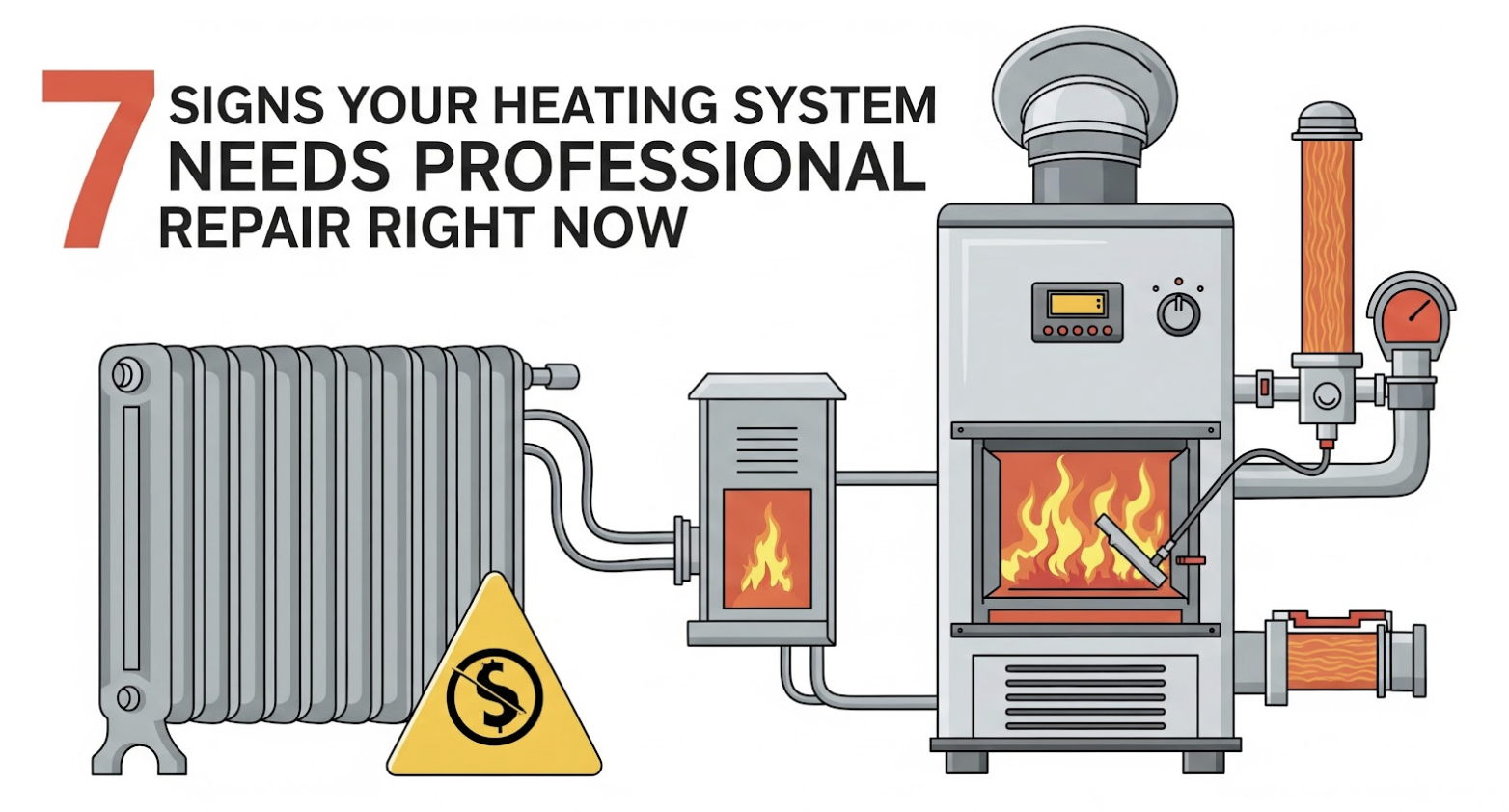
Imagine this: A biting winter chill descends upon your home, plunging temperatures outside, but inside, you feel an unsettling cold. Or perhaps you've noticed a strange new smell wafting from your vents, making you wonder, "Is that normal?" The truth is, your heating system is often out of sight, out of mind until it stops working altogether. Ignoring early warning signs can lead to much bigger, more expensive problems down the line, not to mention a profoundly uncomfortable and potentially unsafe living environment. Understanding these critical signals can be the difference between a minor fix and a major overhaul.
Understanding the 'What' and 'Why' of Heating System Health
Your home’s heating system is a complex network designed to keep your indoor environment warm and comfortable. Whether you have a furnace, boiler, or heat pump, these machines work hard. Like any mechanical system, components wear out, accumulate dust, or simply become less efficient over time.
Neglecting these signs doesn't just mean a colder home; it can lead to hazardous situations like carbon monoxide leaks and increased energy consumption. This also causes premature system failure, forcing a costly replacement. Regular maintenance and prompt attention are paramount for comfort, cost savings, and the safety of everyone.
The Critical Importance of Timely Professional Intervention
Many homeowners might ignore minor issues or attempt DIY fixes. While a clogged filter is simple, most heating system problems demand the expertise, specialized tools, and safety protocols only a certified HVAC technician provides.
A professional can accurately diagnose the root cause, recommend the safest repair, and ensure your system operates efficiently and reliably. Early detection and professional repair save significant stress, discomfort, and expense in the long run.
1. Unexplained Spikes in Your Energy Bills
Have your recent energy bills shown unexplained spikes, despite no change in heating habits or weather? This is often an early indicator your heating system is struggling, demanding professional attention. An efficient system converts fuel or electricity into heat with minimal waste.
When components fail, get dirty, or are miscalibrated, your system works harder to reach the desired temperature. This translates to higher energy consumption. A clogged air filter restricts airflow, forcing the furnace fan to run longer. A malfunctioning thermostat or leaky ductwork also causes inefficiencies, impacting your wallet and accelerating wear and tear on components.
A technician can identify if the issue is a dirty filter, a faulty heat exchanger, or even insulation problems. Prompt attention ensures your heating efficiency is restored and prevents more costly repairs later.
2. Strange or Loud Noises Coming from Your Heating Unit
A properly operating heating system should produce a fairly consistent, low hum or whoosh of air. Any new, unusual, or excessively loud noises are definite red flags. These sounds are often the system's way of signaling mechanical problems requiring immediate investigation.
A screeching or grinding noise typically indicates worn motor bearings needing lubrication or replacement. A loud bang or pop at startup could be delayed ignition, where gas builds up before igniting, creating a small explosion – a potentially dangerous issue with the igniter or burners. Rattling sounds may suggest a loose panel or component inside the unit.
A whistling sound could signal restricted airflow from a dirty filter or blocked vents. For instance, persistent "clanking" from a boiler can escalate to a complete breakdown, an emergency repair avoidable with earlier attention. These noises demand professional diagnosis.
3. Inconsistent Heating or Cold Spots in Your Home or Business
Your heating system's primary function is to maintain a consistent, comfortable temperature throughout your space. If you notice significant temperature differences between rooms or areas that remain stubbornly cold, your system isn't distributing heat effectively. This causes discomfort and higher energy bills from overcompensating.
Inconsistent heating can stem from blocked vents preventing warm air circulation. More complex issues include leaky or poorly insulated ductwork, allowing heated air to escape. A malfunctioning blower motor or fan, responsible for pushing air, is another common culprit.
Weak or uneven airflow results if the blower isn't operating at full capacity. The problem might even lie within the unit itself, such as a clogged burner or a heat exchanger issue. A professional can diagnose this, whether it’s balancing air registers, repairing duct leaks, or addressing a unit malfunction, often using thermal cameras to pinpoint heat loss.
4. Your Heating System is Constantly Cycling On and Off
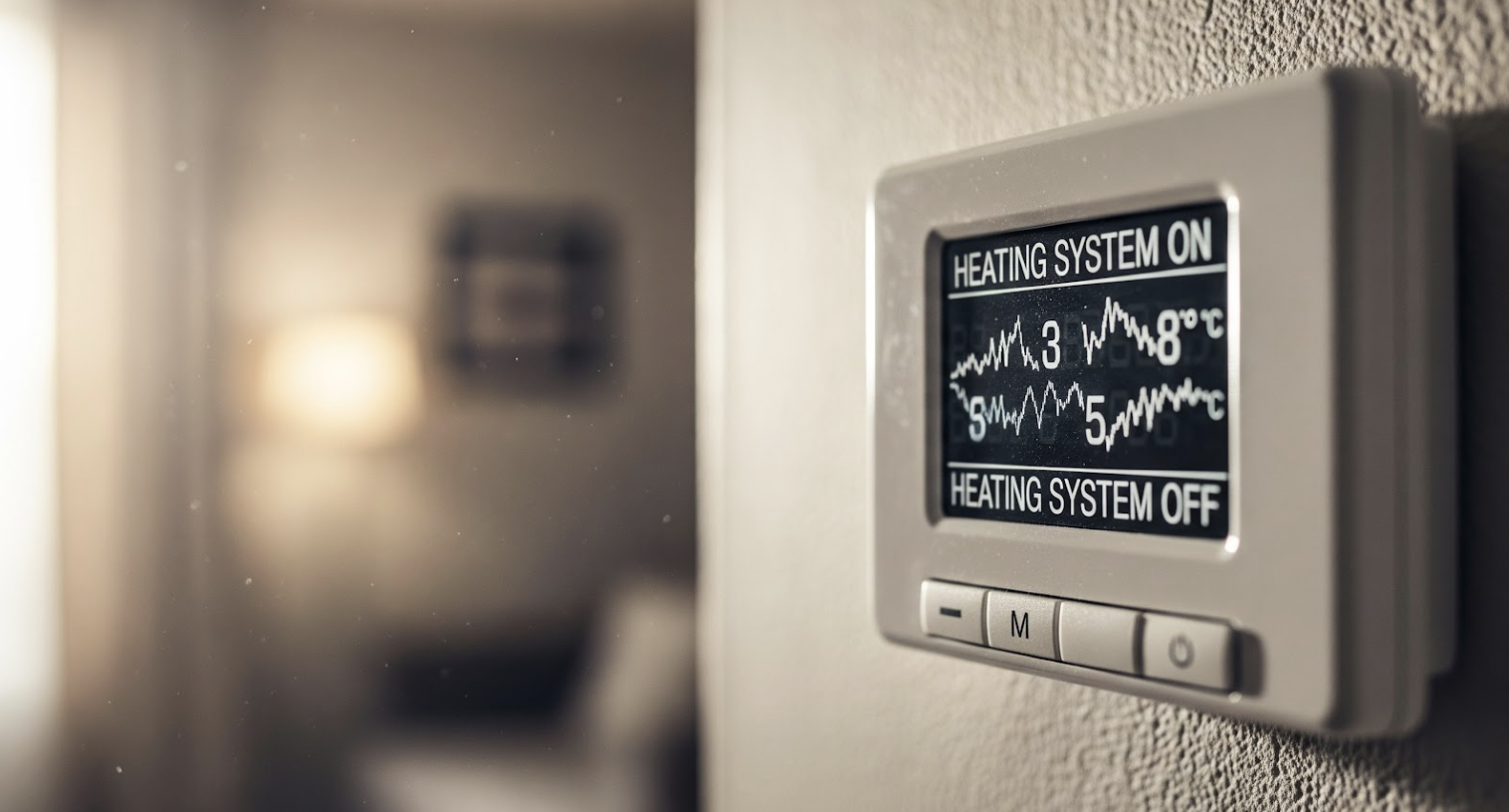
A heating system that "short cycles" – turning on and off more frequently than usual without adequately heating the space – is a clear sign of trouble. While some cycling is normal, this constant on-off pattern is inefficient and indicates a problem. It puts immense strain on components, causing premature wear and tear and reducing lifespan.
Short cycling can arise from various issues. A common cause is a dirty flame sensor, a safety device that detects a flame. If coated in soot, it might incorrectly sense no flame, triggering a safety shutdown. An oversized furnace also short cycles, heating too quickly then shutting off, only to reactivate when the temperature dips slightly.
Other causes include a clogged air filter, restricting airflow, or a malfunctioning thermostat. For heat pumps, a refrigerant leak can lead to this behavior. Professional diagnosis is crucial, as ignoring short cycling can result in costly repairs, particularly for vital components like the compressor or heat exchanger.
5. The Pilot Light is Yellow or Flickering, Not Blue
For older furnaces or boilers with a pilot light, its color and stability indicate combustion efficiency and safety. A healthy pilot light burns with a strong, clear blue flame. A yellow, orange, or erratically flickering pilot light is a critical warning sign that your heating system needs immediate professional attention.
A yellow or flickering pilot light signals incomplete combustion of the fuel. This is extremely concerning as incomplete combustion produces carbon monoxide (CO), a colorless, odorless, highly toxic, and potentially fatal gas. Symptoms include headaches, dizziness, and nausea.
Improper flame color can be caused by a dirty burner, a ventilation issue, or a cracked heat exchanger. A crack in the heat exchanger is particularly dangerous, allowing exhaust gases, including carbon monoxide, to mix with clean air. If you notice this, or your carbon monoxide detector activates, turn off your system immediately, ventilate, evacuate, and call a certified HVAC technician. This is a serious safety hazard.
6. Persistent Dust or Dry Air Issues in Your Home
While some dust is inevitable, a noticeable increase in dust accumulation or persistent excessively dry air can link to your heating system. These subtle environmental changes are often overlooked but indicate inefficient operation, affecting indoor air quality and comfort.
Increased dust often points to a dirty or improperly installed air filter. A clogged filter restricts airflow and allows more dust, pet dander, and particulates to circulate, exacerbating allergies. Beyond the filter, leaky ductwork can pull dust and debris from unconditioned spaces into your living areas, reducing heating system efficiency.
Excessively dry air can signify a system running continuously due to inefficiencies, or a humidifier (if integrated) not working correctly. For example, a salon owner observed client complaints about irritation and constant dust; inspection revealed severely clogged filters and multiple duct system leaks. Addressing these issues improved air quality and heating effectiveness.
7. Your Thermostat isn't Responding or is Malfunctioning
Your thermostat is the command center of your heating system, dictating operation and temperature. If your heating system isn't responding to settings, or the thermostat behaves erratically, it indicates a malfunction in either the thermostat or a component it controls, leading to a lack of heat.
Common issues include a blank display (dead batteries or wiring) or a display that's on but elicits no system response (faulty internal sensor or communication breakdown). An inaccurate temperature display can cause the system to run too long or not enough. A homeowner found their house chilly despite a high thermostat setting; a faulty internal wire was preventing the "call for heat."
Older, mechanical thermostats can become inaccurate due to dust or wear. Even smart thermostats can have software glitches or wiring issues. While checking batteries is a simple first step, if the problem persists, a professional HVAC technician can accurately diagnose the issue, restoring your comfort and control.
Frequently Asked Questions About Heating System Repairs
1. How often should I get my heating system professionally serviced?
Most HVAC experts recommend getting your heating system professionally serviced once a year, ideally in the fall before the colder months set in. Regular maintenance prevents breakdowns, improves efficiency, prolongs lifespan, and ensures safe operation. It's a proactive step saving you money and headaches.
2. Can I fix some of these heating system problems myself?
While simple tasks like changing air filters or ensuring vents aren't blocked are DIY-friendly, most issues require professional expertise. Attempting complex repairs without training can be dangerous, causing further damage, voiding warranties, or creating safety hazards like carbon monoxide leaks. Always call a certified technician.
3. What's the average cost of a professional heating system repair?
The cost of a heating system repair varies widely by system type, specific problem, parts needed, and location. Minor repairs like replacing a flame sensor might cost a few hundred dollars. More complex issues, such as a new blower motor or heat exchanger, can exceed a thousand dollars. Always get a detailed quote after diagnosis.
4. How long does a typical heating system repair take?
Repair duration depends entirely on issue complexity. Simple fixes, like replacing a thermostat or a small part, might take an hour or two. More involved repairs, such as addressing ductwork leaks or diagnosing a complex electrical problem, could take half a day or multiple visits if specialized parts are needed. Your technician should provide an estimated timeline.
5. What are the signs of a carbon monoxide leak from my heating system?
Carbon monoxide is odorless, colorless, and tasteless, making it incredibly dangerous. Key signs include a yellow or flickering pilot light, excessive condensation on windows, black soot marks around your furnace, or unusual exhaust odors. Physical symptoms are headaches, dizziness, nausea, and confusion. Have working carbon monoxide detectors. If you suspect a leak, evacuate immediately and call emergency services and your HVAC technician.
Final Thoughts: Don't Wait, Invest in Your Comfort and Safety
Your heating system is a vital component of your home or business, providing essential comfort and contributing to a healthy indoor environment. Recognizing early warning signs isn't just about avoiding a sudden breakdown; it's about safeguarding your wallet from inflated energy bills, protecting your property from potential damage, and most importantly, ensuring the safety and well-being of everyone under your roof. From strange noises and inconsistent heating to alarming changes in your energy consumption or the color of your pilot light, each of these seven signs is a clear call to action.
Ignoring these indicators won't make them disappear; it will only allow minor issues to escalate into major, more costly, and potentially dangerous problems. Don't fall into the trap of procrastination or DIY attempts for complex issues. Take these warnings seriously. The peace of mind that comes from a safely operating, efficient heating system is invaluable. If you've noticed any of these red flags, it's time to act.
Call a certified HVAC professional today for a thorough inspection and necessary repairs. Investing in timely maintenance and professional repair is an investment in your comfort, your safety, and the longevity of your heating system. Don't let a small problem turn into a winter nightmare.