

How to Tell It’s Time for a New AC Installation in Your Home
Is your air conditioner struggling to keep your home cool, leaving you wondering if it's on its last leg? Many homeowners face this exact dilemma, grappling with the choice between another costly repair and the significant investment of a new AC installation. The decision can feel overwhelming, but understanding the key indicators can save you money, improve your comfort, and prevent unexpected breakdowns.
Imagine a scorching summer day, and your AC suddenly gives up, leaving your family sweltering. This nightmare scenario is preventable if you know the signs of AC distress before it becomes a complete failure. This comprehensive guide will walk you through the subtle and obvious clues that signal it's time to consider a new air conditioning system, helping you make an informed decision for your home and your wallet.
Understanding Your AC System: The Basics of Air Conditioning Lifespan
Before diving into the signs of trouble, it's crucial to understand the expected lifespan of a typical air conditioning unit. Knowing this benchmark can help you gauge if your current system is simply aging gracefully or has truly overstayed its welcome.
The Typical Lifespan of an Air Conditioning Unit
Most modern central air conditioning systems are designed to last between 10 to 15 years, with some well-maintained units reaching 20 years. However, this is just an average. Several factors can either extend or significantly shorten your AC's functional life, making an older AC unit often demand more attention and resources.
Factors That Influence AC Longevity
Your air conditioner's lifespan isn't just about initial quality; it's heavily influenced by treatment and environment. Neglecting regular AC maintenance is a major culprit. Annual professional check-ups ensure your air conditioner runs efficiently, identifying minor issues before they escalate. Climate and proper installation sizing also play significant roles.
The Telltale Signs: When Your AC Is Crying Out for Replacement
Your air conditioner rarely just quits without warning. Often, it provides a series of signals, small at first, that grow increasingly obvious. Learning to interpret these AC replacement signs can empower you to act proactively rather than reactively, saving you from a sudden and uncomfortable breakdown.
Your Energy Bills Are Skyrocketing Without Explanation
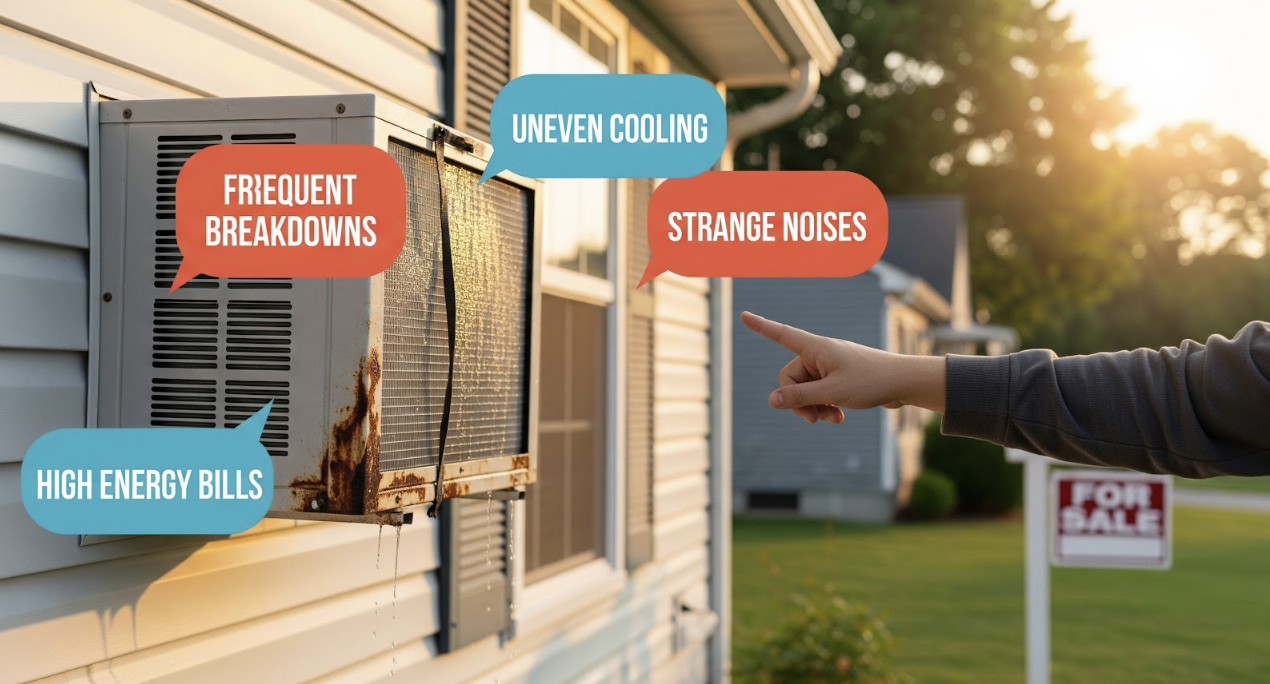
One common sign of a failing AC is a noticeable and consistent increase in your utility bills, even with unchanged usage. An inefficient AC unit works harder and longer, consuming more electricity. This isn't a slight bump; it's a significant jump that makes you double-check readings, indicating your system might be losing efficiency.
Frequent and Costly AC Repairs Become the Norm
If your AC unit requires repairs multiple times a year, or if repair bills are growing larger, consider replacement. The "50% rule" suggests if repair costs exceed 50% of a new unit's price, replacement is more economical. Constantly pouring money into an old system is a waste of money on AC repairs, better invested in a new installation.
Your Home Isn't Cooling Evenly or Comfortably
Drastic temperature differences between rooms, or hot and cold spots, indicate your AC system struggles to distribute cool air effectively. This could stem from an aging compressor, leaky ductwork, or insufficient power for your home's needs. This constant battle for comfort often leads to higher energy consumption without relief.
Your AC Unit Is Making Strange Noises or Emitting Odd Odors
Your AC should operate quietly. Grinding, squealing, banging, or clanking are major red flags, often pointing to failing motors or a worn-out compressor. Similarly, burning or musty odors signal electrical problems or mold growth. These unusual AC noises and foul AC smells are precursors to significant system breakdown.
Excessive Moisture and Leaks Around Your AC Unit
While some condensation is normal, excessive moisture, pooling water, or active leaks are not. Water leaks from AC unit indicate a clogged drain, cracked pan, or serious refrigerant leak. Beyond unit damage, excessive moisture can cause mold, structural issues, and electrical hazards.
Your AC Unit Is More Than 10-15 Years Old
Most AC units last 10 to 15 years. If your system is approaching or has surpassed this age, it's operating on borrowed time. Older units are inherently less efficient, consuming more energy and using older refrigerants like R-22, which is phasing out. Proactive replacement of an old AC unit saves stress and offers access to efficient technology.
Beyond the Obvious: Subtle Indicators You Shouldn't Ignore
Sometimes, the signs that your AC is failing aren't as dramatic as loud noises or high bills. These subtle clues can be just as important in signaling that your system is struggling and that a new air conditioner installation might be the best course of action.
Decreased Indoor Air Quality and Health Concerns
A well-functioning AC filters air, removing dust and allergens. If you notice a decline in indoor air quality, like persistent dust or increased allergy symptoms, your AC might be faulty. An aging system might not filter effectively or could harbor mold, circulating contaminants.
Your Thermostat Settings Don't Match Actual Comfort
If you constantly adjust the thermostat lower, yet still feel warm or uncomfortable, your AC isn't meeting cooling demands efficiently. This "thermostat tango" suggests a failing AC compressor or other vital component lacking required cooling capacity. A properly sized new unit will maintain your desired temperature with ease.
Outdated Refrigerant (R-22) Usage
If your AC unit uses R-22 refrigerant (Freon), replacement is imminent. R-22 is largely phased out due to environmental impact, making it costly and difficult to obtain for recharging. Investing in a new unit using environmentally friendly R-410A or alternatives avoids future headaches and costs associated with outdated AC refrigerants.
Repair or Replace? Making the Smart Financial Decision
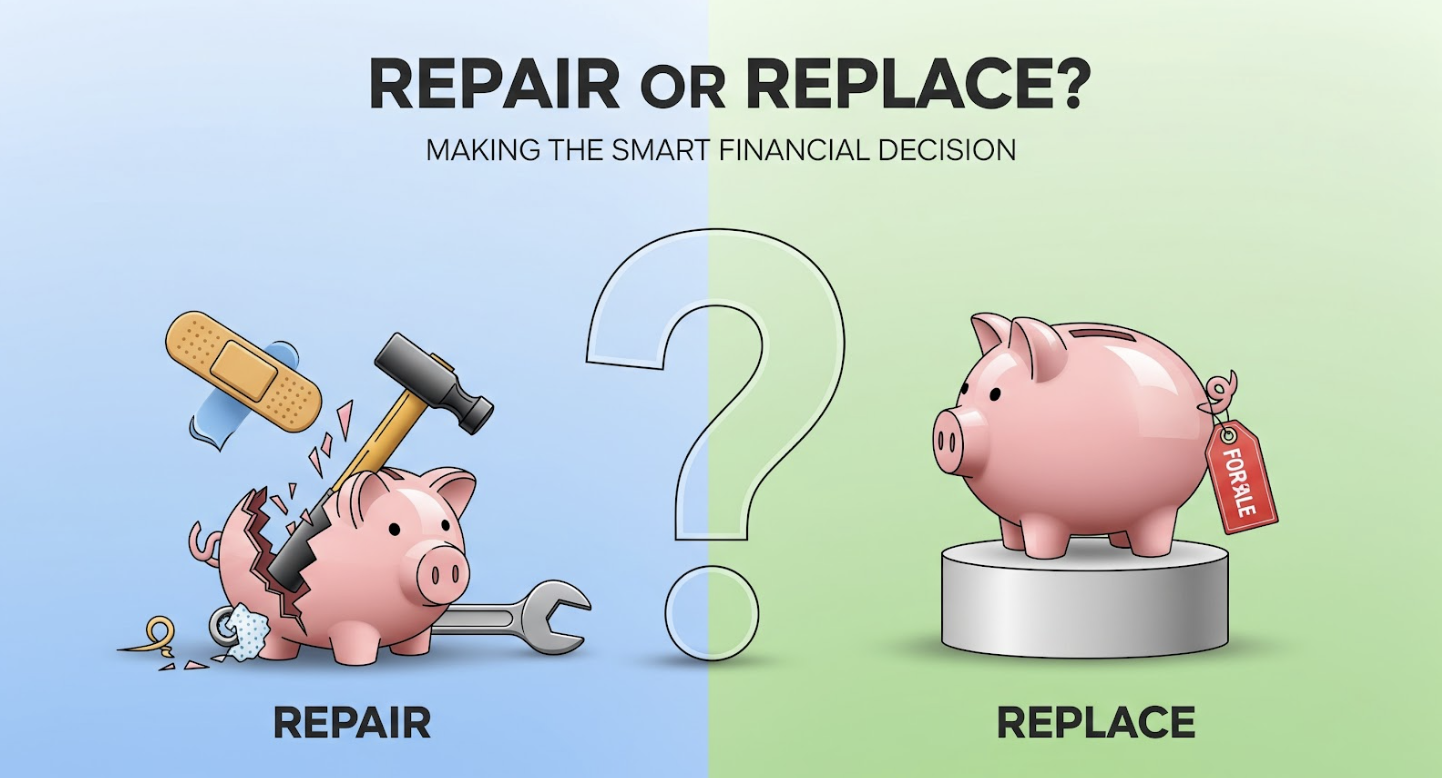
Deciding whether to repair your current AC or invest in a new one is a complex financial and practical decision. It requires careful consideration of immediate costs versus long-term benefits. Here's how to approach this critical choice.
The "50% Rule" for AC Repair vs. Replacement
A widely accepted guideline is the "50% rule": if the cost of repair is 50% or more of a brand-new AC installation, replacement is typically more economical. This helps avoid pouring money into an old, failing system that will likely face other issues soon. A new system offers improved efficiency and a warranty.
Considering Long-Term Savings and ROI with a New AC
While the upfront cost of a new AC installation seems daunting, consider the long-term savings and return on investment (ROI). Modern, energy-efficient AC units drastically reduce monthly energy bills, often saving hundreds annually. These savings over the unit's lifespan can offset a significant portion of the initial investment.
The Benefits of Investing in a New, Modern AC System
Beyond simply escaping the agony of a failing unit, opting for a new AC installation brings a wealth of advantages that significantly enhance your home life and financial well-being. It's more than just cooling; it's an upgrade to your entire home environment.
Significant Energy Efficiency and Lower Utility Bills
Modern AC units boast higher SEER ratings (16-21+), using 20% to 40% less energy than older units. This translates to substantial savings on your monthly utility bills, often hundreds annually. Today's units deliver maximum cooling with minimum energy consumption, making them a smart choice for your budget and the environment.
Enhanced Comfort and Consistent Cooling Performance
Say goodbye to hot and cold spots and constant thermostat adjustments. A new, properly sized AC unit provides consistent cooling performance throughout your home. Features like variable-speed compressors and multi-stage cooling precisely maintain your desired temperature, reducing humidity and creating a much more comfortable indoor environment.
Improved Indoor Air Quality and Health for Your Family
Modern AC systems come with enhanced filtration capabilities, capturing more dust, pollen, and allergens. Some integrate advanced air purifiers. By circulating cleaner air, a new AC can significantly improve indoor air quality, leading to fewer allergy symptoms and a healthier living environment, especially for sensitive individuals.
Peace of Mind with Fewer Breakdowns and Warranties
One of the most immediate benefits is sheer peace of mind. No more worrying about frequent breakdowns or emergency repair calls. New units come with comprehensive manufacturer warranties on parts and often labor, protecting your investment for years. This means less stress and confidence in a consistently cool home.
Increased Home Value and Environmental Responsibility
Investing in a new, high-efficiency AC system can increase your home's resale value. Buyers seek modern, energy-efficient appliances. Furthermore, by choosing a new unit with eco-friendly refrigerants and lower energy consumption, you make an environmentally responsible choice, reducing your carbon footprint.
Actionable Steps: What to Do When You Suspect It's Time
If you've identified several warning signs, it's time to take concrete action. Don't wait until your AC completely fails. Here are the steps you should take to navigate the process of getting a new AC installation efficiently and effectively.
Step 1: Get a Professional AC Inspection and Assessment
Schedule a thorough inspection with a certified HVAC technician. They will diagnose issues, assess true condition, and provide an expert opinion on repair versus replacement. This professional AC assessment offers an objective evaluation of your unit's remaining life and efficiency, giving you clarity.
Step 2: Request Multiple Quotes for New AC Installation
Contact at least three reputable HVAC companies for multiple AC installation quotes. Ensure each quote details costs for the unit, labor, ductwork, and refrigerant disposal. Compare prices, proposed systems, warranties, and company reputations to secure the best value and fair price.
Step 3: Research Energy-Efficient AC Models and Features
Educate yourself on the latest energy-efficient AC models and features. Understand SEER, EER, and HSPF ratings and their impact on energy consumption. Consider variable-speed blowers, smart thermostat compatibility, and zoning. This research empowers you to choose a system aligned with your comfort and efficiency goals.
Step 4: Understand Financing Options and Rebates
A new AC is a significant investment, but often affordable. Inquire about AC financing options from companies or lenders. Many utility companies and government programs offer rebates or tax credits for high-efficiency systems. Research these opportunities to significantly reduce your out-of-pocket costs.
Frequently Asked Questions About AC Replacement
Here are some common questions homeowners have when considering a new AC installation, providing quick answers to help guide your decision-making process.
How often should I have my AC system serviced?
It is recommended to have your AC system serviced at least once a year, preferably in the spring. Regular AC maintenance ensures optimal performance, extends lifespan, and catches minor issues before they become costly repairs. Skipping tune-ups can significantly shorten your AC's life and invalidate warranties.
What is SEER rating, and why is it important for a new AC?
SEER (Seasonal Energy Efficiency Ratio) measures an AC's cooling output against its total electric energy input over a season. A higher SEER rating indicates a more energy-efficient AC system, meaning less electricity for the same cooling. For new AC installations, higher SEER means lower energy bills and greater long-term savings.
Can I replace my AC unit myself?
No, AC installation is a complex task requiring specialized tools, technical knowledge, and certifications, especially due to refrigerant handling. Attempting a DIY installation can be dangerous, void your warranty, lead to inefficient operation, and cause significant damage. Always hire a certified HVAC professional for AC replacement.
How long does a new AC installation typically take?
A straightforward central AC replacement typically takes 4 to 8 hours. More complex installations, involving ductwork modifications or full system overhauls, might take 1 to 2 days. Your HVAC technician should provide an accurate timeframe during the quoting process for AC installation services.
What are the typical costs associated with a new AC installation?
The new AC installation cost varies widely based on unit size, SEER rating, brand, installation complexity, and regional labor rates. On average, homeowners can expect to pay $3,500 to $7,500 for a new central AC unit, including installation. High-efficiency or premium systems may cost more.
Final Thoughts: Prioritizing Your Home's Comfort and Efficiency
Knowing when it's time for a new AC installation is a critical part of being a homeowner. By paying attention to the signals your system is sending—from rising energy bills to strange noises—you can proactively address the issue. Investing in an energy-efficient AC system enhances comfort, improves indoor air quality, reduces your environmental footprint, and secures long-term savings.
Don't let an aging, inefficient AC compromise your family's comfort or drain your wallet. If your AC unit is exhibiting any of these warning signs, take the next step. Contact a trusted HVAC professional today for a comprehensive inspection and get expert advice tailored to your home's needs. Make the smart choice for a cooler, more comfortable, and more efficient future.