

Seasonal HVAC Checklist: Prepare Your System for Summer and Winter Fast
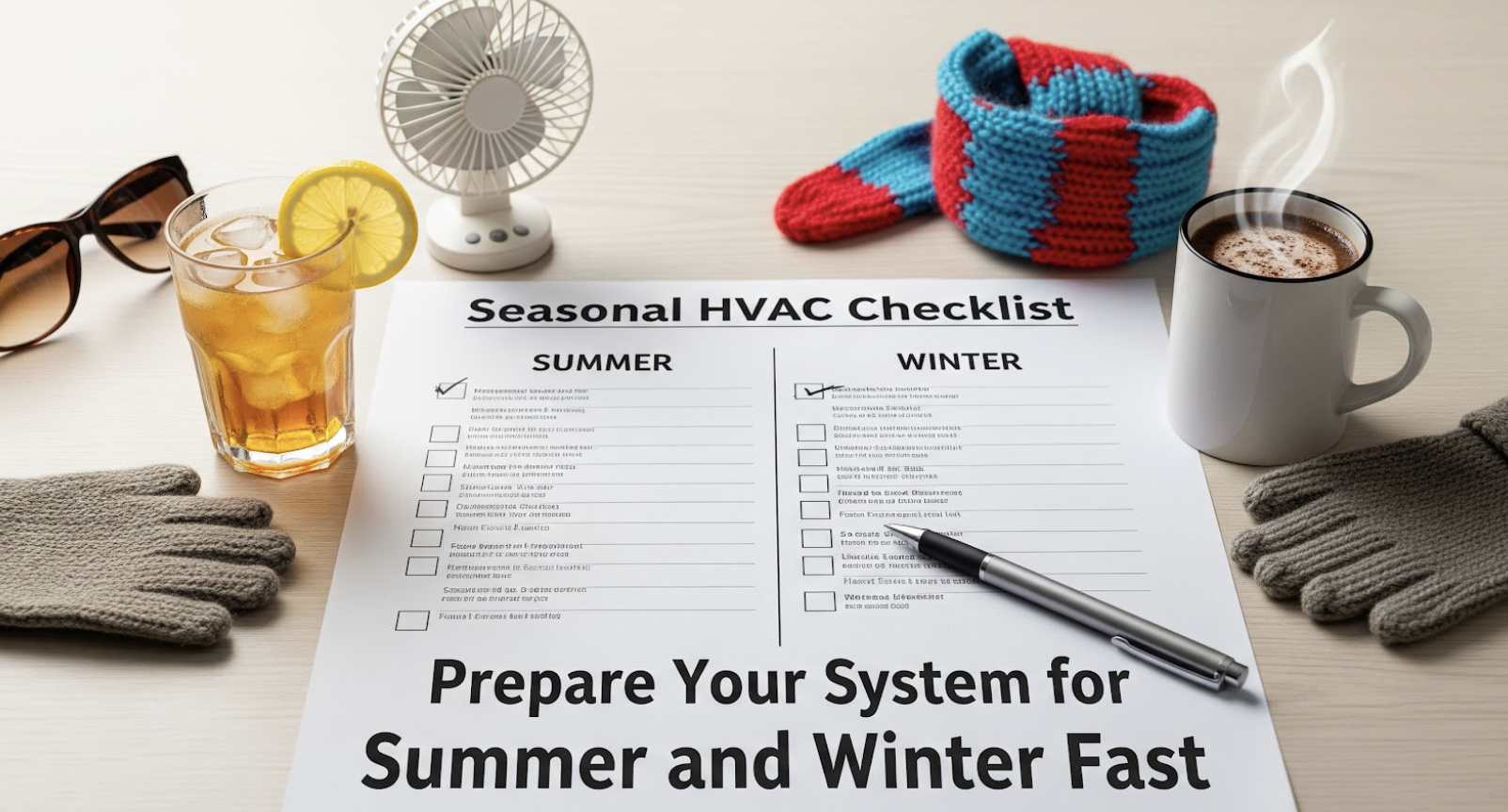
Has your HVAC system ever broken down on the hottest day of summer or the coldest night of winter, leaving you scrambling for emergency repairs and facing unexpected, costly bills? Did you know that neglecting basic seasonal maintenance can reduce your system's efficiency by 5-10% each year, silently increasing your energy costs? Imagine the peace of mind knowing your home or business will stay comfortable, no matter the weather, without those sudden, inconvenient failures. This comprehensive guide will equip you with a practical, step-by-step seasonal HVAC checklist to ensure your system runs smoothly and efficiently all year long.
The Crucial 'What and Why' of Seasonal HVAC Maintenance for Optimal Comfort and Savings
Understanding the importance of regular seasonal HVAC maintenance is the first step toward a more comfortable and energy-efficient living or working space. It extends lifespan and ensures peak performance.
For homeowners, a well-maintained HVAC system means consistent temperatures, improved air quality, and avoiding surprises. For businesses, it translates to a comfortable environment, preventing disruptions. Proactive care is an investment in comfort, savings, and peace of mind.
Mastering Your Summer HVAC Checklist: Essential Steps for a Cool and Efficient Season
As temperatures rise, your air conditioning system becomes crucial. A thorough spring tune-up, followed by regular checks, can maintain comfort and prevent inconvenient breakdowns.
Inspect and Replace Air Filters Regularly for Peak Performance and Air Quality
This simple task is highly effective. A dirty air filter restricts airflow, forcing your AC unit to work harder, wasting energy. Check and replace filters every 1 to 3 months, or more frequently based on usage, pets, and household allergies. This boosts efficiency and significantly improves indoor air quality.
Clean the Outdoor Condenser Unit and Clear Surrounding Debris
Your outdoor condenser unit is vital for releasing heat. Accumulation of leaves, grass, and dirt on its coils impedes heat transfer. Turn off power for safety, then clear visible debris and gently clean fins with a soft brush or garden hose. Ensure at least two feet of clear space for optimal airflow, reducing energy consumption.
Check and Clean Indoor Evaporator Coils for Efficient Cooling
The indoor evaporator coil absorbs heat and humidity. If coils are caked with dirt, their heat absorption diminishes, making your system run longer. While visual inspection helps identify buildup, professional cleaning is often needed to ensure efficient heat exchange and prevent system strain.
Inspect Refrigerant Lines and Insulation for Leaks and Damage
The copper refrigerant lines carry refrigerant between units. Inspect these lines for leaks (oily residue) or damage. Check the insulation around the larger suction line; torn insulation means cooling capacity loss. If you suspect a leak or damaged insulation, contact an HVAC professional immediately, as leaks harm the environment and system.
Test Your Thermostat Functionality and Optimize Settings for Summer
Your thermostat is the brain of your HVAC system. Test it by lowering the temperature to ensure your AC activates. Program a smart thermostat for summer: set higher temperatures when away or asleep to save energy, ensuring cooling before you return home. This offers significant energy savings and convenience.
Ensure Proper Drainage from the Condensate Drain Line to Prevent Water Damage
As your AC cools, it removes humidity, creating condensate. This water drains via the condensate line. Algae and mold can clog it, causing water backup and damage. Pour a cup of distilled vinegar monthly to prevent clogs. Standing water in the drain pan indicates an immediate blockage needing attention.
Winter HVAC Checklist: Preparing Your Heating System for Cold Weather
As autumn leaves fall, prepare your heating system for winter. A well-maintained furnace or heat pump ensures warmth, safety, and energy efficiency throughout the coldest months.
Perform a Thorough Furnace Inspection and Cleaning for Safe Operation
Before winter, inspect your furnace. Turn off power and gas. Examine burner flames; they should be blue, not yellow or orange, which signals a combustion issue. Look for corrosion or leaks. Gently clean external and accessible internal components of dust. For irregularities, call a professional for detailed inspection.
Replace Air Filters to Maintain Optimal Furnace Efficiency and Airflow
A clean air filter is non-negotiable for your furnace. A clogged filter restricts airflow, forcing the furnace to work harder, increasing energy use and reducing its lifespan. Replace filters every 1 to 3 months (more with pets/allergies) for efficient warm air circulation and lower energy bills.
Check and Clear All Vents, Registers, and Ductwork for Obstructions
Ensure all supply and return air vents inside your home are open and unobstructed by furniture, rugs, or curtains. Regularly dust and vacuum registers to prevent debris buildup. While professional ductwork inspection is complex, visually check for obvious damage. Proper airflow is essential for efficient heat distribution.
Test Your Thermostat Functionality and Optimize Settings for Winter Warmth
Before cold weather, test your thermostat by setting the temperature higher to confirm your furnace heats up. Adjust your programmable thermostat for winter: lower the temperature when away or sleeping, and raise it before you wake or return home. This strategic use leads to significant energy savings without sacrificing comfort.
Inspect and Lubricate Blower Motor and Fan Components if Applicable
The blower motor circulates heated air. Consult your owner's manual for lubrication ports requiring annual non-detergent oil. Inspect the blower fan for dirt buildup, which reduces airflow and efficiency. Cleaning these components carefully or professionally ensures smooth operation and longevity of your heating system.
Examine Heat Pump Specific Components for Winter Readiness
For heat pumps, clear the outdoor unit of debris, leaves, or snow. Check coils for frost and ensure the defrost cycle functions correctly. A professional tune-up is highly recommended for optimal cold weather performance, verifying refrigerant levels, electrical connections, and the reversing valve in heating mode, preventing costly HVAC repair.
Year-Round Best Practices for Sustained HVAC Health and Energy Savings
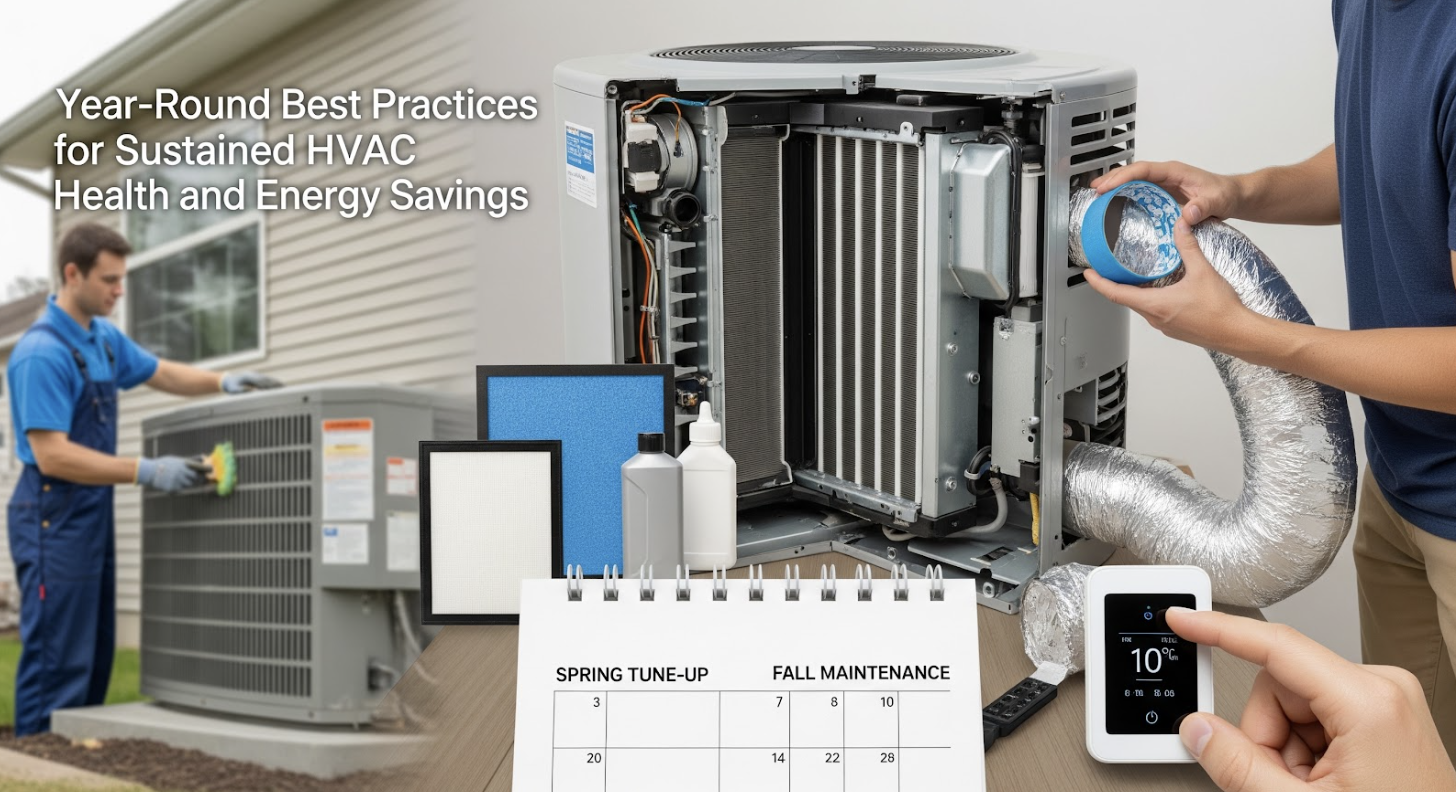
Beyond seasonal preparations, continuous habits ensure your HVAC system remains a reliable source of comfort and efficiency year-round. These efforts extend its life and keep energy costs in check, improving overall HVAC health.
Schedule Annual Professional HVAC Tune-Ups for Comprehensive Care
While DIY is invaluable, nothing replaces certified HVAC technicians. Annual tune-ups in spring (for AC maintenance) and fall (for furnace tune-up) are crucial investments. Professionals perform comprehensive inspections, clean components, check refrigerant, test electrical, and calibrate thermostats, identifying issues before they escalate, ensuring peak efficiency and safety.
Maintain Clearances Around Outdoor Units and Indoor Vents for Optimal Airflow
Consistently ensure your outdoor condenser unit is free from vegetation or obstructions, maintaining at least two feet of clear space. Indoors, ensure no furniture, curtains, or rugs block return air vents or supply registers. Obstructed airflow reduces efficiency and strains components, hindering even conditioned air distribution.
Utilize Programmable or Smart Thermostats to Optimize Energy Usage
Leverage modern thermostats. Programmable models set schedules that align with your routine, adjusting temperatures when you're away or asleep. Smart thermostats learn preferences, integrate with smart homes, and offer remote control. Strategic temperature adjustments during unoccupied periods deliver significant energy savings, with many utilities offering rebates.
Seal Leaky Ductwork and Improve Insulation for Enhanced Efficiency
Ductwork leaks cause significant conditioned air loss into unconditioned spaces, drastically reducing HVAC system efficiency. Consider professional inspection and sealing of your ductwork. Adequate insulation in attics, walls, and crawl spaces acts as a barrier, reducing your HVAC system's workload, leading to long-term energy savings and consistent indoor comfort.
The Tangible Benefits of Proactive HVAC Care: Stories of Savings and Comfort
Adopting a seasonal HVAC checklist offers more than operational efficiency; it delivers real-world advantages that directly impact your wallet and quality of life. Proactive HVAC care improves system efficiency and longevity.
Significant Energy Bill Reduction Through Enhanced System Efficiency
One immediate benefit is reduced energy bills. A well-maintained system works less to maintain temperature. An Arizona business cut summer electricity from $900 to $650 after biannual tune-ups and filter changes. This 20% reduction shows how preventative care leads to substantial cost savings and improved HVAC health.
Extended Lifespan of Your HVAC System, Delaying Costly Replacements
Your HVAC system is a significant investment. Regular maintenance dramatically extends its operational life. A Minnesota family's furnace lasted 18 years, exceeding the typical 10-15 years, due to consistent seasonal care. This postponed a major capital expense, saving them thousands in the long run.
Improved Indoor Air Quality for Healthier Living and Working Environments
Your HVAC system plays a crucial role in maintaining healthy indoor air quality. Clean filters, coils, and ductwork trap airborne pollutants, allergens, and dust. A homeowner with seasonal allergies found immense relief after committing to regular maintenance, noticing a dramatic improvement in symptoms and making their home a healthier sanctuary.
Enhanced Comfort and Consistent Temperatures Throughout Your Property
An efficiently running HVAC system ensures uniform heating and cooling, eliminating hot and cold spots. When components are clean and functioning correctly, air circulates as intended, leading to consistent temperatures across all rooms. A small office reported a significant improvement in overall comfort after a professional tune-up addressed issues, boosting employee morale.
Reduced Risk of Unexpected Breakdowns and Expensive Emergency Repairs
Perhaps the greatest peace of mind comes from minimizing the risk of a sudden HVAC breakdown. Emergency repairs during peak seasons are inconvenient and often come with premium charges. Regular maintenance helps identify and address minor issues before they escalate. A routine fall check found a frayed belt, preventing a complete system failure on a frigid winter night, saving an emergency service call and a freezing house.
Frequently Asked Questions About Seasonal HVAC Maintenance
Understanding the nuances of HVAC care can sometimes raise common questions. Here are answers to frequently asked questions to clarify your maintenance routine and boost your system's efficiency.
How often should I change my air filters, and does the type of filter matter?
Most experts recommend changing standard 1-inch pleated air filters every 1 to 3 months, but this varies. If you have pets, allergies, or continuous system use, change them monthly. Thicker 4-inch or 5-inch filters can last 6 to 12 months. MERV (Minimum Efficiency Reporting Value) ratings indicate effectiveness; higher ratings (8-13 for residential) capture smaller particles, improving air quality, but can restrict airflow more. Always consult your system's manufacturer for compatibility.
Is it really necessary to get professional tune-ups annually, or can I just do DIY maintenance?
While DIY maintenance (like changing filters) is crucial, professional tune-ups are absolutely necessary. A certified HVAC technician performs a much more comprehensive inspection, cleaning, and diagnostic check beyond what homeowners can do. They check refrigerant levels, test electrical, clean coils thoroughly, inspect ductwork, and identify potential issues, ensuring peak efficiency, extended lifespan, and warranty maintenance. This makes them a worthwhile annual investment in HVAC health.
What are the signs that my HVAC system might need professional attention beyond routine maintenance?
Several key indicators suggest your HVAC system needs professional expertise. These include unusual noises (grinding, squealing, banging), strange odors (burning, musty), inconsistent heating or cooling, a sudden spike in energy bills without usage change, visible leaks around the indoor unit, or constant cycling. Any of these symptoms indicate an underlying issue that DIY efforts cannot resolve and require a qualified HVAC technician for diagnosis and HVAC repair.
Can a smart thermostat truly save me money on energy bills, and how does it work?
Yes, a smart thermostat can significantly save money on energy bills, often 10-20%. They optimize heating and cooling through advanced features: programming schedules, geofencing (detecting when you leave/return), and learning your preferences. Remote control via smartphone prevents energy waste. Many utility companies offer rebates for smart thermostat installation, making them a wise investment for long-term energy savings and enhanced convenience in HVAC system management.
What should I do if my outdoor AC unit freezes up during the summer?
If your outdoor AC unit freezes up, it's a clear sign of a problem. First, turn off your AC at the thermostat and let the ice melt naturally (do not chip). Common causes include a dirty air filter restricting airflow, low refrigerant levels (indicating a leak), a malfunctioning fan, or a blocked condensate drain line. Once melted, change your air filter if dirty. If the problem persists, it's crucial to contact a professional HVAC technician for expert diagnosis and HVAC repair, as a refrigerant leak or mechanical failure needs immediate attention.
Final Thoughts and Your Next Steps Towards Year-Round HVAC Comfort
Taking a proactive approach to your HVAC system's health through this seasonal checklist isn't just a recommendation; it's essential for maintaining comfort, ensuring safety, and achieving significant energy savings. From diligently replacing air filters to clearing outdoor debris and scheduling professional tune-ups, each step contributes to a resilient and efficient heating and cooling system. Embrace these habits to avert major headaches and expenses. Your comfort, your budget, and the longevity of your HVAC system depend on it.
Your Next Steps:
Download and Print Your Seasonal HVAC Checklist: Use this guide to create a personalized checklist for your home or business.
Schedule Your Next Professional Tune-Up: Contact a local, certified HVAC technician to schedule your spring AC or fall furnace maintenance, ensuring your system gets the expert care it deserves.
Start with Air Filters: Check and replace your air filters today to immediately improve your system's efficiency and indoor air quality.
Optimize Your Thermostat: Take a few minutes to program your thermostat for your daily routine, or consider upgrading to a smart thermostat for even greater savings and control.